The Hidden Kingdom
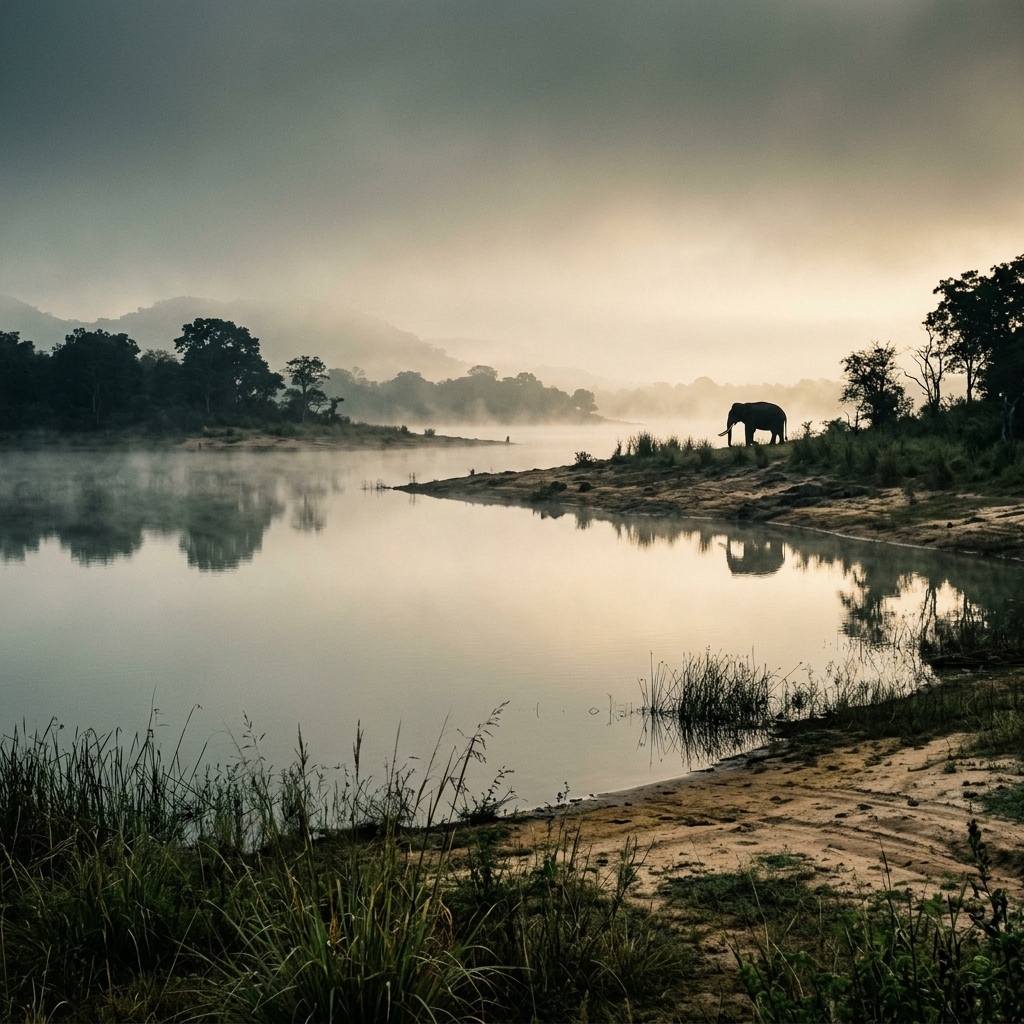
In the heart of Sri Lanka’s Dry Zone lies a hidden gem—ancient, endangered, and utterly irreplaceable.
Sentinel of Centuries
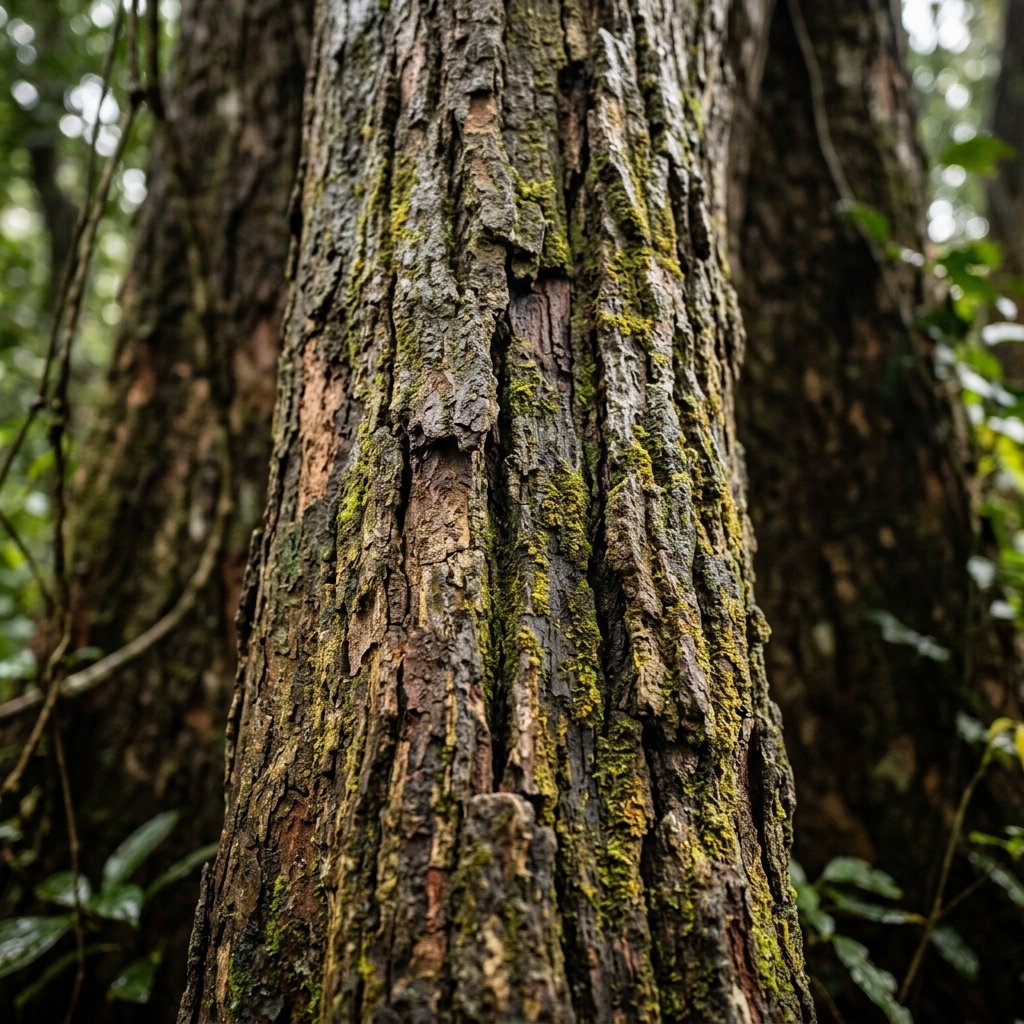
Dating back to the 5th Century AD, the Kalavava landscape was crafted by King Dhatusena and framed by the towering Kumbuk trees that have stood sentinel for centuries. Spanning over 6,000 hectares, Kalavava is not merely a sanctuary for wildlife—it is a living testament to Sri Lanka’s rich history and the deep, unbroken connection between its people and the land.
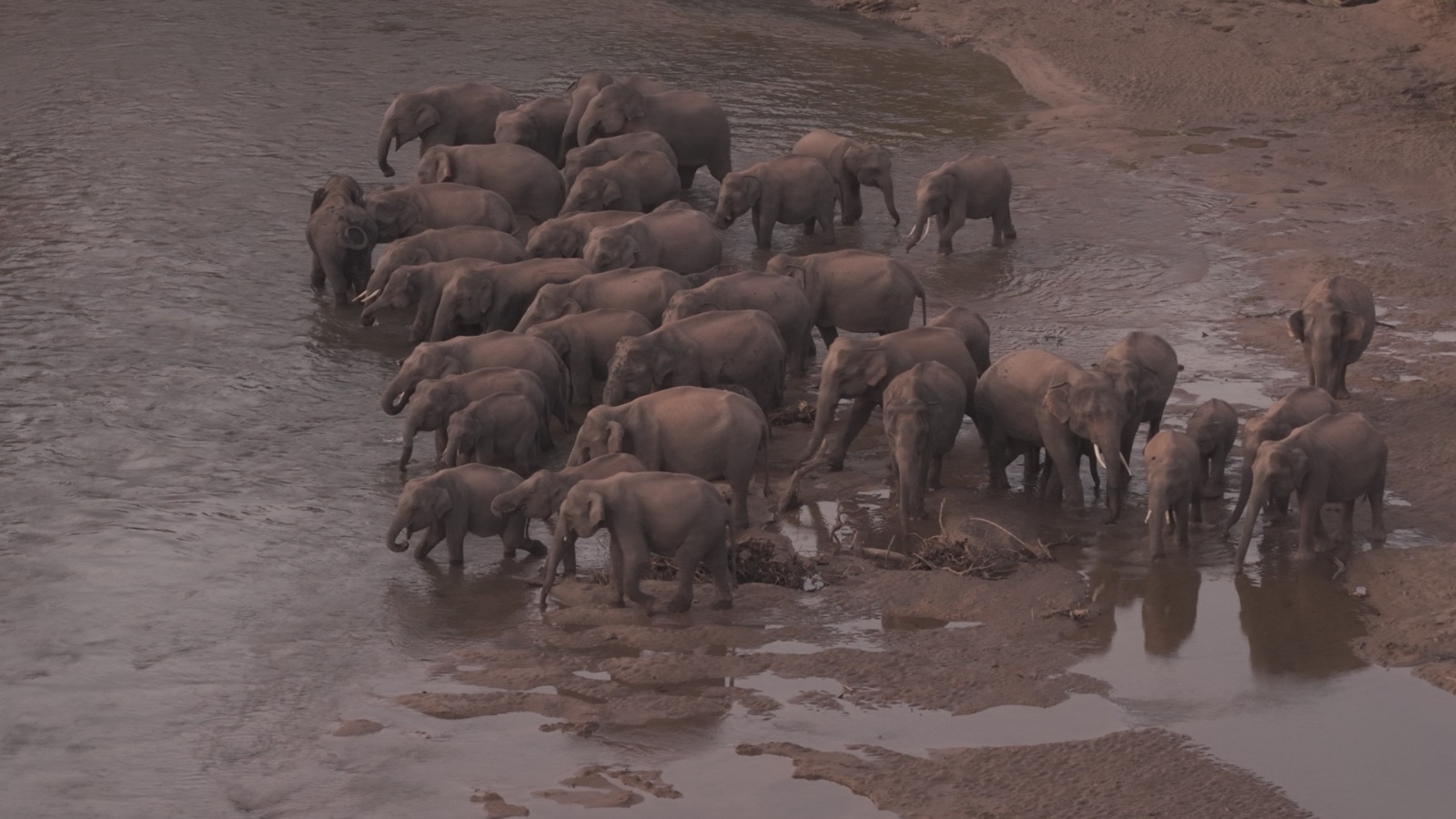
The Kalavava and Balalu Vava areas are renowned as the home of the highest density of Sri Lankan tuskers. In 2015, these lands were declared a proposed National Park under the custodianship of the Department of Wildlife Conservation (DWC). Yet, nearly a decade later, that designation remains unrealized. The park exists in a state of bureaucratic limbo—recognized in name, but unprotected in practice.
A Landscape Under Siege
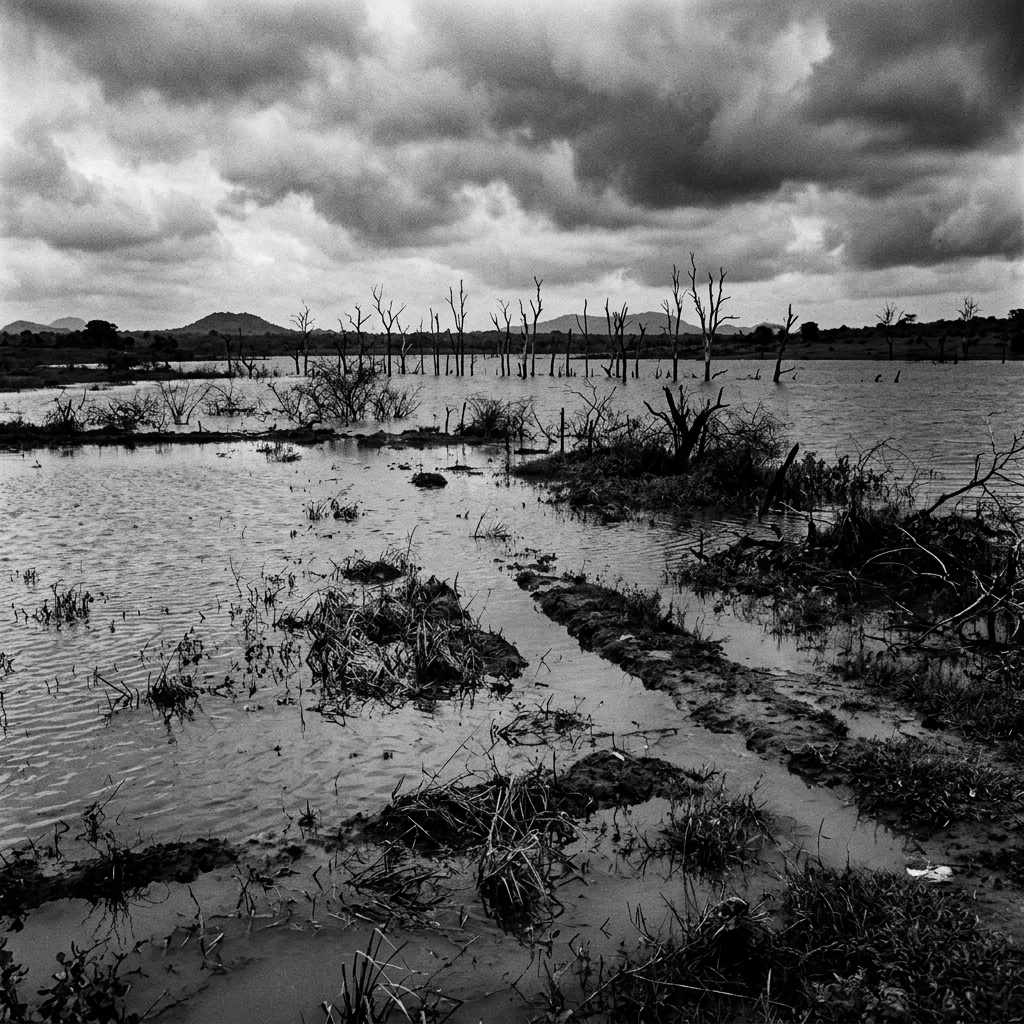
Without the safeguards of official park status, mismanagement has taken root. Irrigation schemes designed for agriculture and a recently established private mini hydropower plant in Ibbankatuva have combined to cause persistent flooding of the Kalavava area. The seasonal feeding grounds that elephants have relied upon for generations are now submerged, compelling them to migrate beyond their traditional habitat and into conflict with human settlements.
The consequences have been devastating. In early 2021, Rewatha—a tusker known for his grace and grandeur—was tragically electrocuted by an illegal wire erected to protect private crops. The loss of another iconic tusker, Bharana, followed soon after. These were not isolated incidents. They are symptoms of a landscape under siege: a proposed park with no protection, a heritage with no guardians, and a community with no sustainable path forward.
"The loss of these magnificent beings is a stark reminder that Kalavava’s future hangs in the balance."
Guarding the Heritage
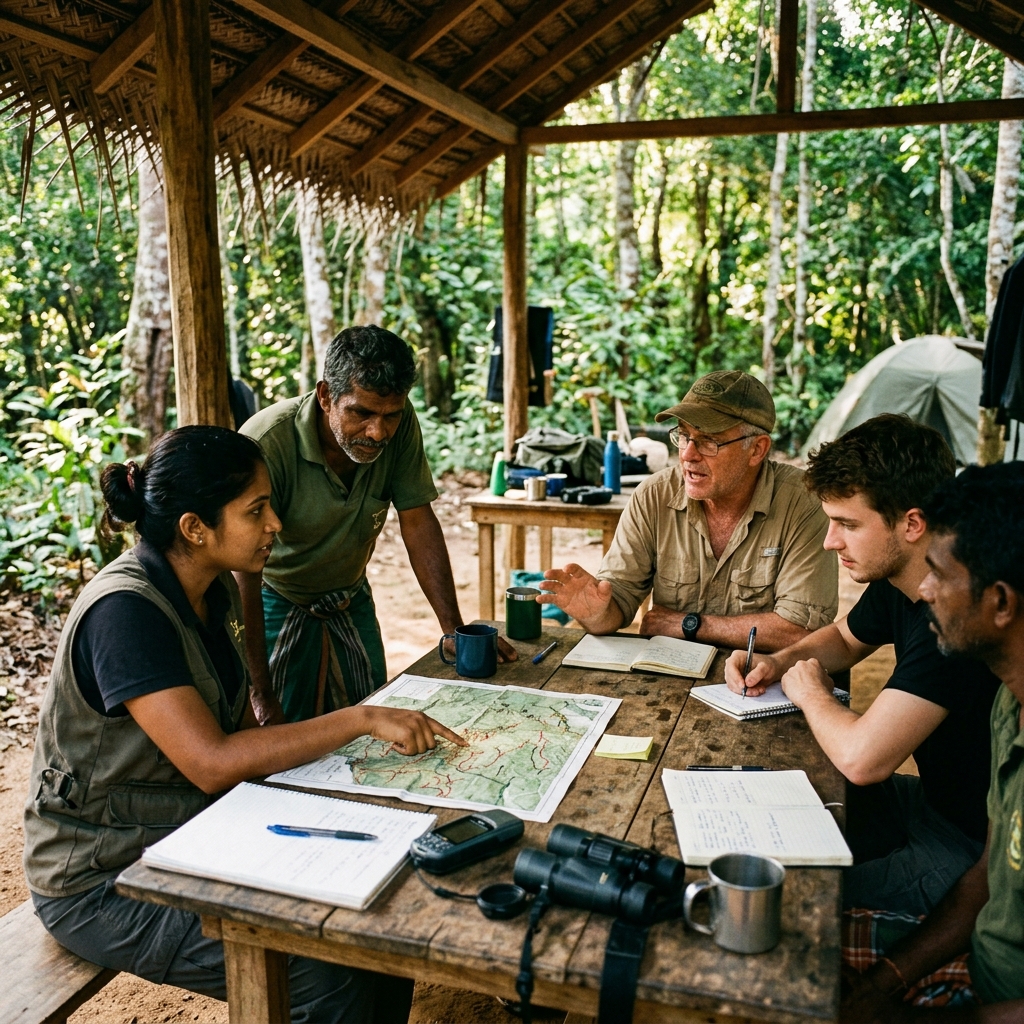
At the Centre for Eco-Cultural Studies (CES), we believe in a future where Kalavava thrives. We are committed to creating sustainable solutions that honor the needs of both elephants and the local communities who share this land. Our goal is to secure Kalavava’s official designation as a National Park while implementing conservation strategies that protect its unique ecosystem.
Three Pillars of Action
Through these initiatives, CES aims to preserve Kalavava’s biodiversity and cultural legacy, ensuring that future generations can witness the beauty of a landscape where nature and history converge.
Conservation Initiatives
We are dedicated to safeguarding the habitats and migratory paths of Kalavava’s elephants as keystone species, ensuring that these majestic creatures can continue to thrive in their natural environment.
Community Engagement
We work hand-in-hand with local communities, fostering coexistence and supporting sustainable livelihoods that reduce human-wildlife conflicts.
Environmental Sustainability
Our efforts include advocating for responsible agricultural practices and addressing the impact of development projects, ensuring that Kalavava’s ecosystem remains resilient.
A Sanctuary in the Making
We invite you to join us in our mission to protect Kalavava. Together, we can ensure that this sanctuary remains a place where elephants roam freely and nature flourishes, paving the way for a sustainable future for all.